Best Food Baskets: Gourmet Gift Baskets Worth Sending
- What Are the Best Food Baskets to Send?
- How Do You Judge Whether a Gourmet Basket Is Any Good?
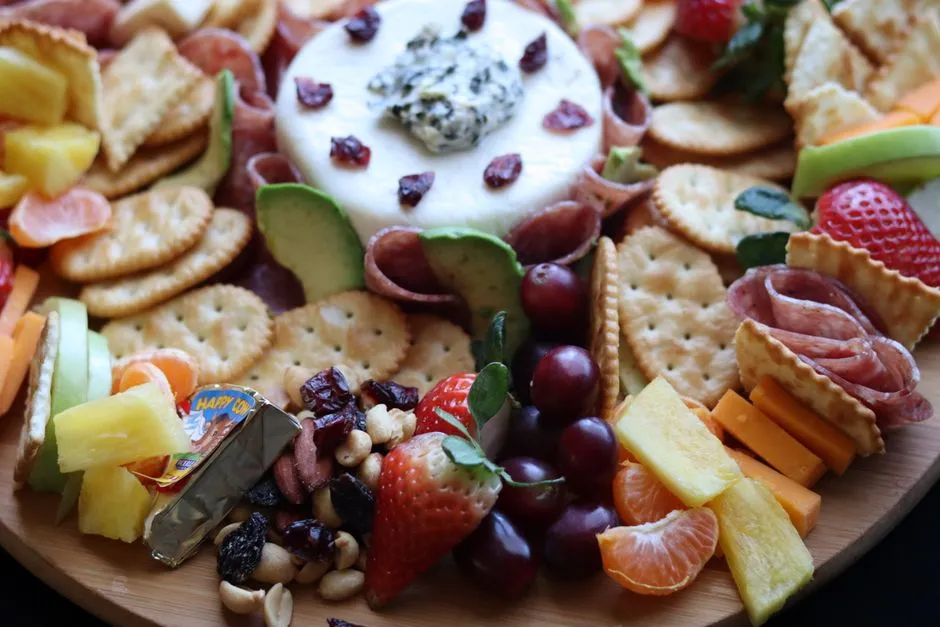
- Best All-Around: Why Charcuterie and Cheese Baskets Win
- Best for Chocolate Lovers: Why One Maker Beats a Mixed Assortment
- Best for Groups and Offices: Why Savory Snack Samplers Work
- Best Premium Gesture: Are Fruit-and-Gourmet Combinations Worth the Price?
- Best for Cozy Occasions: What Makes a Good Breakfast or Bakery Basket?
- Which Food Basket Suits a Serious Foodie?
- What to Skip: The Generic "Gourmet Assortment"
- How Do You Do the Cost-Per-Item Math?
- Comparison at a Glance
- How Do You Make Sure a Food Basket Arrives Safely?
- Before You Order: A 60-Second Checklist
- Bottom Line: Which Food Basket Should You Send?
- Sources
What Are the Best Food Baskets to Send?
The best food baskets are defined by format, not by a logo on the box. A charcuterie and cheese basket is the strongest all-around pick; a single-maker chocolate basket suits a known sweet tooth; a savory snack sampler wins for offices and groups; a fruit-and-gourmet combination from a specialty shipper carries milestone occasions; and a breakfast or bakery basket fits cozy, thinking-of-you moments. Whatever the style, judge it on dense fill, named brands, and an item list the retailer publishes in full.
Gourmet gift baskets are the flagship of the gifting world, and the category with the widest gap between "genuinely impressive" and "expensive crackers in a big box." After weighing the major basket styles on contents quality, fill ratio, presentation, and cost per item, here is where we landed:
- Best all-around: a charcuterie and cheese basket, broadly loved, feels premium, and the contents get eaten, not shelved.
- Best for chocolate lovers: a single-maker chocolate basket from an established chocolatier, rather than a mixed-brand assortment.
- Best for groups and offices: a savory snack sampler, with no refrigeration, no utensils, and easy sharing.
- Best premium gesture: a fruit-and-gourmet combination from a specialty shipper with a freshness guarantee.
- Best for cozy occasions: a breakfast or bakery basket: pancake mixes, preserves, pastries, coffee.
- Skip unless you know the recipient: most generic "gourmet assortment" baskets, which are where filler hides.
The rest of this guide covers what makes each style work, what to check before you order, how to do the price math, and the honest drawback of every pick. If you are still deciding whether a basket is the right format at all, start with our complete gift basket buying guide.
How Do You Judge Whether a Gourmet Basket Is Any Good?
Every recommendation below comes from the same five criteria. They are worth internalizing, because they apply to any basket from any retailer:
- Contents-to-filler ratio. Lift out the crinkle paper, mentally at least. How much of the box is actually food? The best baskets are dense; disappointing ones are 40% shred.
- Brand-name vs. private-label items. Recognizable makers (a known chocolatier, a real creamery) signal quality you can verify. Unbranded "gourmet water crackers" are a hedge.
- Eat-it-all test. A great basket contains nothing the recipient has to politely discard. Obscure mustards and novelty spreads often fail this test.
- Presentation out of the box. Ribbon, arrangement, and a reusable container matter; presentation does real work in gifting.
- Cost per item. Compare the basket price against buying the components yourself. A fair premium for curation and presentation is normal; a 2–3x markup on grocery-tier goods is not.
A note on what "gourmet" means here: it is a marketing word, not a regulated grade, so it tells you nothing on its own. The item list does all the real talking.
Best All-Around: Why Charcuterie and Cheese Baskets Win
If you are sending one basket to someone whose tastes you do not know intimately, this is the safest strong choice.
Why it wins: cured meats and aged cheeses are crowd-pleasers with an upscale feel, they keep well in transit, and the contents map to something people already love doing: putting together a board. Most gift-grade summer sausage and hard cheeses are sold shelf-stable until opened, and Clemson Cooperative Extension's guide to mailing perishable foods lists hard salami and hard cheese among the foods that do not need refrigeration and are good choices for mailing.
Established names in this space have been shipping meat-and-cheese assortments for decades, and the format is proven. On the classic end, Hickory Farms says it got its start when Richard Ransom began selling hand-crafted cheese at local fairs and farmers markets in 1951, and it describes itself as known for summer sausage. On the premium end, specialty food shops such as Zingerman's ship deli-counter cheeses and cured meats; the company's mail order history says the Ann Arbor deli opened on March 15th, 1982, and that it packed its first mail-order box in 1992.
What to look for: hard or semi-hard cheeses (cheddar, gouda, aged jack) rather than fresh ones; whole salami or summer sausage rather than pre-sliced; and crackers from a named bakery. A jar of honey or fig spread is a genuine bonus. For three specific current baskets in this style, see our cheese gift basket picks.
Check the label on arrival: "shelf-stable" depends on the specific product. The same Clemson guide notes that even a smoked, cured, or fully cooked product is perishable if it says "Keep Refrigerated," and must be kept cold. Anything carrying that label belongs in the refrigerator as soon as the box is opened.
Worth knowing: sodium and dietary restrictions are the weak spot. This is the wrong pick for vegetarians, obviously, but also risky for anyone on a heart-healthy diet, and cheap versions lean hard on heavily processed meat sticks. If you are unsure, the snack sampler below is more forgiving.
Best for Chocolate Lovers: Why One Maker Beats a Mixed Assortment
Why it wins: chocolate is one of the most popular gourmet gift categories for a reason, but the quality spread is enormous. A basket built entirely from one established chocolatier (Ghirardelli, Lindt, or a respected regional maker) guarantees a consistent floor of quality. Ghirardelli, for instance, describes itself as "the longest continually operating chocolatier in America." Mixed-brand "chocolate lover's" assortments, by contrast, often pair one recognizable item with a pile of generic compound-chocolate filler (compound chocolate swaps some or all of the cocoa butter for other vegetable fats, which is why it melts and tastes differently).
What to look for: truffles and filled pieces over solid molded shapes, stated cocoa origins or percentages, and a mix of dark and milk unless you know a preference. Tins and boxes that reseal beat loose cellophane bags. Our chocolate gift basket picks apply these tests to three current baskets.
Worth knowing: chocolate ships badly in warm months. Reputable retailers add cold packs or restrict summer shipping to expedited services, which raises the delivered cost, sometimes significantly. If you are gifting between roughly May and September, check the retailer's warm-weather shipping policy before you commit, or pivot to a snack basket.
Best for Groups and Offices: Why Savory Snack Samplers Work
Why it wins: when a basket will be opened in a break room or shared at a family gathering, individually portioned savory snacks beat everything else. Nuts, popcorn, pretzels, cheese straws, and seasoned crackers require no knife, no plate, and no refrigeration, and they disappear fast, which is the best possible fate for a gift basket. This is also the category where mid-priced baskets deliver the most honest value, since good snacks are affordable at wholesale and retailers can fill a basket generously.
What to look for: portion variety (a dozen small items beats four large ones for sharing), at least one or two premium anchors like roasted mixed nuts or a tin of caramel corn, and named brands on the snacks. Individually sealed portions also carry their own ingredient labels, which matters in a shared room where nobody has read the packing slip.
Worth knowing: snack samplers read as friendly rather than luxurious. For a milestone occasion, such as a major anniversary, a big client, or a wedding, they can feel underpowered. Match the format to the moment; our notes on presentation in the buying guide cover how to tell.
Best Premium Gesture: Are Fruit-and-Gourmet Combinations Worth the Price?
Why it wins: when the goal is unmistakable generosity, fresh fruit paired with gourmet accompaniments is the classic move, and specialty shippers have genuinely solved the logistics. Harry & David built its reputation on shipping pears: the company's own history page says that in 1934 it launched its first catalog and began offering gift boxes of pears, and that it remains one of the world's largest producers of Comice pears. The fruit-plus-cheese-plus-sweets format remains the closest thing the industry has to a luxury standard. Fresh fruit also broadens the appeal: it is the rare premium basket that works for health-conscious recipients.
What to look for: a freshness guarantee in writing, fruit that ships in protective trays rather than loose, and a realistic delivery window. Fruit baskets should be timed to arrive when someone is home. For how long each component keeps once it arrives, see our guide to gift basket shelf life and storage.
Worth knowing: this is the most expensive category per item, and you are paying for logistics as much as food. Delivered prices for well-regarded fruit-and-gourmet towers commonly land well above snack baskets of similar size. Prices vary by retailer and season, so compare the delivered total, not the sticker.
Best for Cozy Occasions: What Makes a Good Breakfast or Bakery Basket?
Why it wins: for housewarmings, new babies, and thinking-of-you moments, a breakfast basket lands as warm rather than showy: pancake or scone mix, real maple syrup, preserves, coffee or tea, maybe English muffins from a specialty bakery like Wolferman's. It gives the recipient an easy, pleasant morning rather than a shelf ornament, and most components have generous shelf lives. Wolferman's is a fair example of what "named maker" means here; its bakery history traces the business to a corner grocery bought in 1888, and credits Fred Wolferman with introducing its super-thick English muffin the same year the store's Tiffin Room opened.
What to look for: real maple syrup (grade and origin on the label), preserves from a named maker, and whole-bean or quality ground coffee rather than generic pods.
What about baked-goods baskets specifically? Cookie, brownie, and pastry baskets are the bakery format's sweeter cousin. Clemson's mailing guide counts cookies and brownies among the foods that are good choices for mailing, which is why they travel better than cream-filled pastries. Look for individually wrapped pieces, a baked-on or ship-by date on the slip, and a tin rather than a tray.
Worth knowing: baked goods in these baskets have the shortest clock, days rather than weeks, so timing matters more than with any pick except fruit. Mix-heavy versions also require the recipient to actually cook, which is wrong for someone in the middle of a move or a hospital stay.
Which Food Basket Suits a Serious Foodie?
The person who already owns good olive oil is the hardest food-gift recipient, and the answer is narrower rather than bigger. A basket from a single specialty shop, built around one region or one craft (aged cheeses from named creameries, small-batch preserves, a single-origin chocolate flight), shows curation in a way a twenty-item hamper cannot. The tells of a foodie-grade basket are the same five criteria at a higher bar: every item named down to the producer, nothing generic used as padding, and a printed card explaining what each item is. If the retailer cannot tell you who made the cheese, a foodie will notice.
What to Skip: The Generic "Gourmet Assortment"
The baskets to avoid are easy to spot once you know the tells: a vague name ("Grand Gourmet Collection"), no named brands in the item list, lots of small jars of things nobody asked for, and photography shot from an angle that hides the fill depth. These assortments exist to look large in a photo, and they are where the worst cost-per-item math in the category lives. If the retailer will not list every item in the basket, treat that as your answer.
A special note on wine add-ons: bundling a bottle raises the price fast and the wine is often the weakest item in the box. We have broken down that math separately in our honest look at wine gift baskets. Short version: they are situational, adults-only by definition (the recipient must be of legal drinking age, and rules on shipping alcohol vary by state), and only appropriate when you know the recipient drinks.
How Do You Do the Cost-Per-Item Math?
This is the single habit that separates good buys from expensive air. Here is a worked example with illustrative round numbers, not a quote from any retailer:
- A basket lists at $75, plus $15 delivery, for a delivered total of $90.
- The item list shows 10 items, so the delivered cost is $9.00 per item ($90 ÷ 10).
- Pricing the same items at a grocery or specialty shop comes to roughly $45, so the delivered total is 2x the component cost ($90 ÷ $45).
Whether 2x is fair depends on what the other $45 bought. If it covered a reusable crate, real arrangement, a perishable-safe shipping method, and items you could not easily find locally, that is a reasonable premium for curation and presentation. If the components are grocery-tier and the container is a cardboard tray, it sits inside the 2–3x markup range this guide tells you to walk away from. For broader price benchmarks by tier, see our gift basket price guide.
Comparison at a Glance
| Basket style | Best for | Typical range* | Shelf-stable? | Biggest drawback |
|---|---|---|---|---|
| Charcuterie & cheese | Safe premium pick, most adults | $40–$120 | Mostly, until opened | Dietary restrictions |
| Single-maker chocolate | Known chocolate lovers | $30–$100 | Yes, heat-sensitive | Summer shipping costs |
| Savory snack sampler | Offices, families, sharing | $25–$75 | Yes | Reads casual, not luxe |
| Fruit & gourmet combo | Milestone gestures | $50–$150+ | No (fruit) | Highest cost, timing-sensitive |
| Breakfast & bakery | Housewarming, new baby | $35–$90 | Partly | Short clock on baked goods |
| Generic assortment | — | varies | varies | Filler; skip it |
*Editorial estimates for solid-quality options; prices vary widely by retailer, size, and shipping.
How Do You Make Sure a Food Basket Arrives Safely?
Food gifts carry two genuine safety questions: temperature and allergens. Both are worth handling before you click order.
Temperature. Clemson's mailing perishable foods guide advises alerting the recipient that the gift is in the mail so that they or a neighbor can be home to receive it, and not sending food packages at the end of the week, so they do not sit in a mailing facility over the weekend. It also advises against having perishable items delivered to an office unless you know they will arrive on a workday. When a recipient receives an item marked "Keep Refrigerated," the guide says to open it immediately and check its temperature; if perishable food arrives warm, above 40 °F as measured with a food thermometer, the guide says to notify the company and not to eat or even taste it. It adds that bacteria can grow in the "Danger Zone" between 40 °F and 140 °F without changing how food tastes or smells, so appearance is not a safety check. A short note to the recipient covering this is a practical kindness.
Allergens. Nuts appear in a large share of gourmet baskets, and many chocolate and bakery items contain wheat, milk, and eggs. The FDA's food allergies page lists the nine major food allergens as milk, eggs, fish, crustacean shellfish, tree nuts, peanuts, wheat, soybeans, and sesame, and says packaged food labels must identify the food source of any major allergen. Labels on individual items help, but a basket assembled from many makers is only as safe as its least clearly labeled component. If anyone in the household has a food allergy, confirm with them before sending, and choose a retailer that publishes full ingredient lists. Our checklist for food gifts and dietary restrictions covers the details.
Before You Order: A 60-Second Checklist
- Read the full item list. Every item, with brand names. No list, no order.
- Count the items against the price. Rough cost-per-item math catches most overpriced baskets.
- Check dietary fit. Nuts are in almost everything gourmet; confirm allergies for households with kids.
- Confirm the delivery window. Perishable picks need a recipient who is home; shelf-stable picks are flexible.
- Check the satisfaction policy. Some specialty shippers state a replace-or-refund guarantee on their own pages; read it before you need it.
- Look at the container. A reusable basket, crate, or tin extends the gift past the last cracker.
Bottom Line: Which Food Basket Should You Send?
The best gourmet gift basket is not a brand; it is a format matched to the recipient. Charcuterie and cheese is the strongest default, chocolate wins when you know their sweet tooth, snack samplers own shared settings, fruit-and-gourmet combinations carry the big moments, and breakfast baskets make the warmest small gesture. Whatever you choose, the five criteria at the top of this guide will do more for you than any bestseller badge: dense fill, named brands, nothing destined for the trash, real presentation, and honest math on the price.
Sources
- Clemson Cooperative Extension, Home & Garden Information Center: Mailing Perishable Foods (HGIC 3605)
- U.S. Food and Drug Administration: Food Allergies
- Hickory Farms: About Us
- Zingerman's Mail Order: About Us
- Ghirardelli: About Ghirardelli
- Harry & David: Royal Riviera Pear History
- Harry & David blog: Wolferman's Bakery History