Are Wine Gift Baskets Worth It? An Honest Look at What You're Paying For
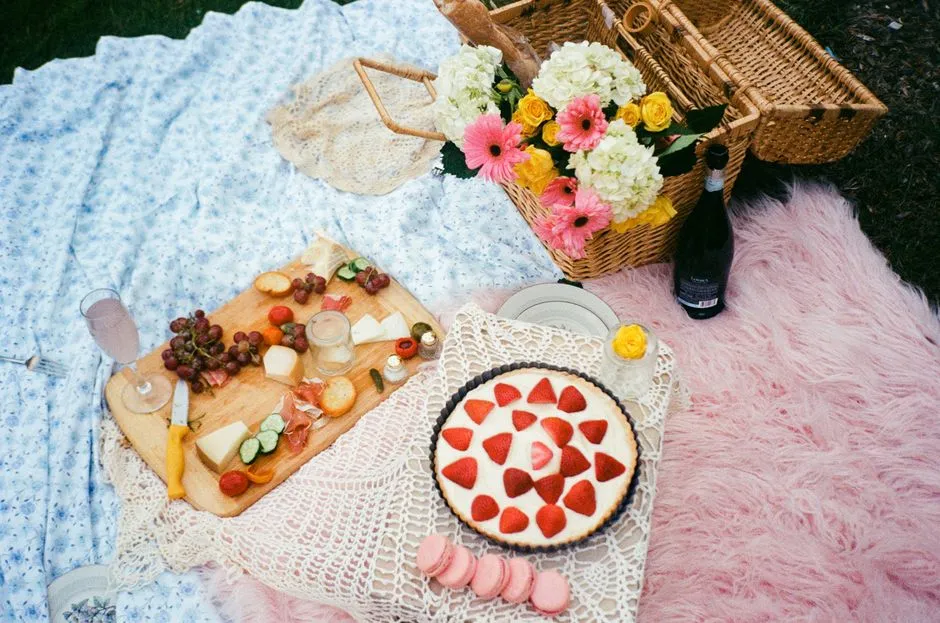
The Short Answer: Sometimes — and the Difference Is in the Fill
Wine gift baskets are worth it when the wine is a label you'd buy on its own and the food around it earns its place. They're not worth it when the basket is a $15 bottle padded out with crackers and cellophane at a $90 price. That's the whole game: in this category, more than any other basket type, you're paying a steep markup for convenience and presentation — so the question isn't "are they good gifts?" (they usually land well) but "is this one worth what it costs?"
Here's our honest verdict up front:
- Worth it: wine-and-cheese or wine-and-charcuterie baskets where the wine is identifiable and the accompaniments are brand-name or artisan quality. Great for hosts, corporate thank-yous, and congratulations.
- Sometimes worth it: single-bottle baskets with a few snacks — fine as a gesture, but check the math against buying the bottle and a nice bar of chocolate yourself.
- Rarely worth it: bargain-tier wine baskets built around unlabeled or bulk-brand wine. The wine disappoints, and the wine is the point.
One rule before anything else: wine baskets are adults-only gifts. Confirm the recipient drinks, can legally receive alcohol, and would welcome it — a wine basket sent to a non-drinker, someone in recovery, or a workplace with alcohol policies is a well-intentioned miss. When in doubt, a gourmet food basket does the same job with none of the risk.
What You're Actually Paying For
A typical wine gift basket bundles four things: the wine, the food, the container and presentation, and the convenience of someone else assembling and shipping it. Understanding the split explains most of the price.
- The wine is usually the smallest share of the cost, which surprises people. Many mass-market baskets are built around wines that retail in the $10–$20 range, even in baskets that sell for $80 or more. Prices vary widely by retailer, but the pattern is consistent.
- The food ranges from genuinely good (aged cheeses, artisan crackers, quality chocolate) to pure filler (generic wafer cookies, tiny jars of spread nobody asked for). Fill quality is the single best predictor of whether a basket feels generous or hollow.
- Presentation does real work here. Wine baskets photograph well, unbox well, and read as more formal than a gift bag with a bottle in it. That's worth something — just not everything.
- Convenience and shipping matter more with wine than with any other basket, because shipping alcohol is genuinely complicated. Licensed retailers handle carrier rules and adult-signature requirements for you, and in the U.S., where a retailer can ship wine depends on state law — some states are easy, others effectively off-limits. A retailer that quietly ships you a "wine-themed" basket without the wine in restricted states is a known frustration; read the fine print before you order.
The Honest Math
For a mid-range wine basket, expect the components to total noticeably less at retail than the basket's price — often 50–70% of it, sometimes less. That markup isn't a scam; it covers curation, packaging, licensing, and logistics. But it does mean the value question is real. Solid wine-and-snack baskets typically run $50–$100, and genuinely impressive wine-and-charcuterie spreads often run $100–$200; prices vary by retailer and season. Below roughly $40, wine baskets are usually a false economy — that budget buys a much better all-food basket.
The Three Tiers of Wine Baskets, Rated Honestly
Wine and Cheese / Charcuterie Baskets — The Best of the Category
Why they work: wine plus aged cheese, cured meat, olives, and good crackers isn't a random assortment — it's a complete occasion in a box. The recipient gets an evening, not just items. This is the format we'd choose for a milestone congratulations, a generous host gift, or a client thank-you, and it's the wine basket most worth its price when the components are named brands or artisan producers you can look up.
What to look for: an identifiable wine (producer and varietal on the listing, not "red wine"), cheese described by type and origin rather than just "gourmet cheese," and a fill ratio where food visibly outweighs shred and crinkle paper.
Worth knowing: shipping is this tier's weak point. Cheese and cured meats need temperature-aware shipping, and combining that with alcohol restrictions narrows your retailer options and raises shipping costs. Order early and check delivery terms — this is not a last-minute gift.
Single-Bottle Baskets with Snacks — Fine, but Do the Math
Why they work: a bottle, some chocolate, a few savory snacks, a ribbon. It's a clean, low-risk gesture for birthdays, housewarmings, and thank-yous, and it travels well as a hand-delivered gift.
What to look for: this tier lives or dies on the bottle. If the listing names a wine you'd be happy to bring to a dinner party, it's a fair buy. If the wine is unnamed, assume the cheapest option that fits the box.
Worth knowing: this is the easiest tier to beat yourself. A $25 bottle you chose, a good bar of chocolate, and ten minutes of wrapping often lands better than a $70 pre-made version — because a hand-picked bottle carries thought, and thought is the currency of gifting. If you enjoy assembly, our gift basket buying guide covers how to judge components like a picky recipient would.
Bargain Wine Baskets — Usually Skip
Why they exist: they hit an attractive price point and look complete in photos.
What actually arrives: a bulk-label bottle, a large basket that's mostly paper fill, and snacks chosen by cost rather than by pairing. The recipient can't un-notice a wine they wouldn't drink, and with wine drinkers, the bottle is the message.
Worth knowing: if your budget is firmly under $50, don't stretch for the cheapest wine basket — redirect to a category that's strong at that price. A well-built gourmet, coffee, or spa basket at $40 beats a weak wine basket at $50 every time.
Quick Comparison
| Tier | Typical range* | Best for | Biggest strength | Honest drawback |
|---|---|---|---|---|
| Wine + cheese/charcuterie | $100–$200 | Milestones, hosts, clients | Complete "occasion in a box" | Costly, restrictive shipping |
| Single bottle + snacks | $50–$100 | Birthdays, thank-yous | Low-risk, presentable | Easy to DIY for less |
| Bargain wine baskets | Under $50 | Honestly, few situations | Price | Wine quality sinks the gift |
*Editorial estimates; prices vary by retailer and season.
When a Wine Basket Is the Right Call
- You know the recipient enjoys wine. Not "probably drinks wine" — actually enjoys it. The gift flatters their taste; make sure the taste exists.
- The occasion is celebratory or appreciative. Promotions, closings, housewarmings, holidays, host gifts. For corporate use, wine baskets are a classic client gesture, but company gift policies and alcohol norms vary — our corporate gifting guide covers how to check before you send.
- You're shipping to a wine-friendly state and ordering from a licensed retailer. An adult signature will be required at delivery — factor that in for recipients who aren't home during the day.
- Sympathy note: customs vary by family and culture; wine can be appropriate for some households and wrong for others. When you don't know, choose food instead.
When to Choose Something Else
Skip the wine basket if the recipient's relationship with alcohol is unknown, if delivery-state rules make shipping a headache, or if your budget puts you in bargain territory. In all three cases, a strong gourmet food basket delivers the same generosity with fewer failure modes — and nobody has ever been disappointed by good cheese.
The Bottom Line
Wine gift baskets are worth it in the middle and upper tiers, where the bottle is one you'd choose yourself and the food is real. They're not worth it at the bottom, where the format's markup collides with a wine nobody would buy twice. Judge any listing by three questions: Is the wine named? Is the food described specifically? Would I be pleased to receive this exact box? Three yeses, and you can order with confidence. Anything less, and your money works harder in a different basket.