Gift Basket vs. Gift Box: Which Format Fits Your Occasion and Budget
The Short Answer
If you're deciding between a gift basket and a gift box, here's the honest verdict: gift baskets win when abundance and immediate impact matter — think family households, office celebrations, sympathy gifts, and any occasion where the gift will be opened in front of people. Gift boxes win when curation, shipping, and polish matter — long-distance gifts, corporate recipients, small households, and anyone whose taste runs modern and minimal.
Neither format is inherently better. They're different tools, and most gifting mistakes in this category come from matching the wrong format to the occasion, not from picking a bad product. Below, we break down how each format actually performs on the criteria that matter: presentation, contents quality, shipping durability, price efficiency, and occasion fit.
Gift Basket vs. Gift Box at a Glance
| Criteria | Gift Basket | Gift Box |
|---|---|---|
| First impression | Big, abundant, celebratory | Sleek, curated, intentional |
| Ships well? | Fair — bulky, contents can shift | Excellent — designed for transit |
| Contents-to-filler ratio | Often padded with shred and filler | Usually tighter, less filler |
| Best group size | Families, offices, gatherings | Individuals, couples |
| Reusable packaging | Sometimes (a genuinely useful basket) | Rarely (most boxes get recycled) |
| Typical price range | Roughly $30–$150+; varies widely by retailer | Roughly $25–$120+; varies widely by retailer |
| Where money goes | Volume and visual impact | Fewer, higher-quality items |
What Actually Separates the Two Formats
The names undersell the difference. This isn't wicker versus cardboard — it's two different philosophies of gifting.
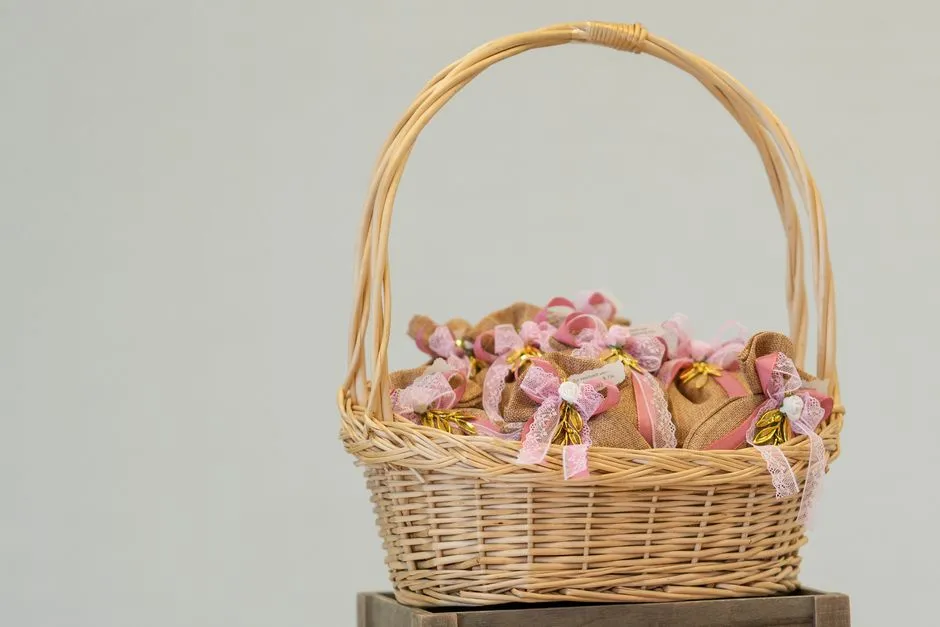
A gift basket is built for abundance. The open-top format displays everything at once, arranged tall and generous, usually wrapped in cellophane with a bow. The whole design language says plenty. That's why baskets dominate occasions where the gesture needs to be visible: sympathy deliveries, office holiday gifts, family care packages.
A gift box is built for curation. Items sit in a fitted, lidded box — often with a magnetic closure and tissue or crinkle paper — and the recipient discovers the contents piece by piece. The design language says chosen for you. Boxes took off alongside the rise of small-batch and artisanal brands, and the best ones feel closer to a personal shopper's picks than a hamper.
That philosophical difference drives everything else: how they ship, how they photograph, how much filler they hide, and which occasions they suit.
When a Gift Basket Is the Right Call
Why baskets earn their place
- Visual impact per dollar is hard to beat. A well-built basket looks generous the moment it arrives — no unboxing required. For occasions where the gift is displayed or shared (a break room, a wake reception, a housewarming table), that immediate abundance does real work.
- They feed a crowd. Baskets skew toward multi-serving contents — crackers, spreads, cookies, fruit — which makes them the natural pick for households and groups rather than individuals.
- The format is universally understood. Nobody puzzles over a gift basket. For traditional occasions and older recipients, the familiarity is a feature, not a bug.
If you're new to the category, our complete gift basket buying guide covers how to judge quality before you order — fill ratios, brand-name versus generic contents, and the tricks retailers use to make thin baskets look full.
Worth knowing before you buy
The basket format's biggest weakness is filler. Because the arrangement is built for height and visual volume, lower-quality baskets pad heavily with paper shred, oversized bases, and bulky items chosen for size rather than quality. Cellophane is very good at making a mediocre assortment look lush. Baskets also ship worse than boxes: they're bulky, contents shift in transit, and crushed cellophane arrives looking tired. If the gift is traveling more than a day or two by carrier, that's a genuine strike against the format.
When a Gift Box Is the Right Call
Why boxes earn their place
- They ship beautifully. Gift boxes are engineered for transit — fitted compartments, rigid walls, lids that stay closed. What the recipient opens looks like what you ordered. For long-distance gifting, this is the single biggest practical advantage.
- Quality tends to run higher per item. Because a box holds fewer items and hides nothing behind cellophane volume, curators generally have to compete on the actual contents. Good boxes lean on small-batch and recognizable specialty brands rather than anonymous private-label products.
- The aesthetic suits modern recipients. For clients, colleagues, younger recipients, and anyone with a minimalist streak, a sleek box reads as more considered than a big rustic basket. This is why boxes have become the default in professional gifting — our corporate gifting guide goes deeper on when each format fits business relationships.
Worth knowing before you buy
You're paying for the packaging — sometimes a lot of it. Rigid magnetic-closure boxes, custom inserts, and branded tissue are genuinely expensive to produce, and that cost comes out of the contents budget. A box that looks luxurious can hold surprisingly little, and unlike a basket, there's no honest way to eyeball the quantity before opening. Boxes also do less for group occasions: four small artisanal items don't go far in an office of twelve. And while the packaging is beautiful, it's usually single-purpose — most gift boxes are admired once and recycled.
Matching Format to Occasion
This is where the decision usually gets easy. Occasion norms do most of the choosing for you:
| Occasion | Better format | Why |
|---|---|---|
| Sympathy / condolences | Basket | Feeds visiting family; traditional and expected |
| Corporate / client gifts | Box | Polished, ships reliably, easy to send at scale |
| Housewarming | Either | Basket for households, box for apartments and couples |
| Get well soon | Basket | Comfort through abundance; shareable with caregivers |
| Long-distance birthday | Box | Survives shipping; feels personal on arrival |
| Office celebration | Basket | Built for sharing among many people |
| Thank-you (individual) | Box | Curated feel suits a personal gesture |
| Holiday family gift | Basket | Group-friendly contents, festive presence |
Two honest caveats. First, these are conventions, not rules — a beautifully curated box is never wrong at a housewarming, and customs vary by region and family. Second, if the gift includes wine or spirits, either format works, but confirm the recipient drinks and that alcohol suits the occasion; it's an adults-only choice and a poor fit for workplace gifts unless you know the culture well.
The Budget Math
Dollar for dollar, the formats spend your money differently.
At comparable prices, a basket typically delivers more items and more volume, while a box delivers fewer, better items in nicer packaging. Solid options in either format commonly run $30–$75, with premium versions climbing past $100 — though prices vary widely by retailer, and sticker price is a poor proxy for quality in both categories.
The value question to ask isn't "which is cheaper?" but "what am I paying for?" With baskets, check that the price reflects contents rather than arrangement — count the actual items and look for brands you recognize. With boxes, check that the price reflects contents rather than packaging — a $60 box with $20 of product inside is a common trap.
There's also a third option worth naming: building it yourself. If you have an extra hour, a DIY basket or box routinely beats retail on contents quality at the same spend, and you control every item. Our step-by-step guide to making your own gift basket covers themes, fillers, and assembly — most of it applies equally to boxes.
Bottom Line
Choose a gift basket when the gift needs to look abundant, serve a group, or honor a traditional occasion — and buy from retailers who show you exactly what's inside. Choose a gift box when the gift is shipping far, going to a professional contact, or headed to someone who values curation over quantity — and make sure the contents, not the box, justify the price. Get the format right and either one lands well; get it wrong and even a quality product feels slightly off. The occasion, the recipient's household, and the shipping distance will almost always tell you which way to go.