The Best Gifts Under $25: Small-Budget Ideas That Feel Generous
- The Short Version: What Actually Works Under $25
- The Well-Made Candle: The Safest Serious Gift
- Specialty Chocolate or Coffee: The Consumable That Feels Curated
- The Insulated Tumbler: The Gift That Gets Used Daily
- Premium Socks or a Mini Self-Care Set: Cozy, Done Right
- Notebook and Pen: The Coworker-Proof Pick
- The Small Live Plant: Maximum Perceived Value
- The DIY Mini Bundle: When You Know Them Well
- How to Make Any of These Feel Like More
The Short Version: What Actually Works Under $25
A $25 ceiling is not a limitation — it's a filter. It forces you past the generic and toward the specific, and specific is what makes a gift feel generous. After weighing dozens of small-budget categories against three criteria — perceived value (does it feel like more than it cost?), usefulness (will it be used up or worn out, not shelved?), and presentation (does it look finished out of the bag?) — these are the picks we'd hand almost anyone:
- Best all-around: a well-made scented candle in a giftable vessel
- Best consumable: single-origin chocolate or a specialty coffee bag
- Best everyday-use: an insulated tumbler or double-walled mug
- Best cozy pick: premium socks or a small self-care set
- Best for coworkers: a quality notebook with a good pen
- Best "looks expensive": a small live plant in a real pot
- Best DIY move: a mini themed bundle you assemble yourself
Solid versions of every pick here typically run $12–$25, though prices vary by brand and retailer. Below, why each one earns its spot — and the honest catch that comes with it.
How the picks compare
| Pick | Typical range | Best for | Watch out for |
|---|---|---|---|
| Scented candle | $15–$25 | Nearly anyone | Scent is personal; fragrance sensitivities |
| Specialty chocolate or coffee | $12–$22 | Foodies, thank-yous | Dietary needs, caffeine preferences |
| Insulated tumbler/mug | $15–$25 | Commuters, desk workers | Many people already own several |
| Premium socks / mini self-care set | $12–$24 | Cozy types, winter gifting | Can read as filler if packaging is weak |
| Notebook + pen | $15–$25 | Coworkers, students, planners | Useless to the fully-digital |
| Small live plant | $10–$25 | Housewarmings, desks | Needs care; not for frequent travelers |
| DIY mini bundle | $15–$25 in parts | When you know them well | Takes time; easy to overspend |
The Well-Made Candle: The Safest Serious Gift
Why it wins: a candle is one of the few gifts that's consumable, decorative, and universally understood as a gesture of comfort. At this budget you can move past grocery-store paraffin into soy or coconut-wax blends with cotton or wood wicks — the tier where scent throw is noticeably better and the vessel is nice enough to keep. That vessel matters: a candle in a weighted glass or ceramic jar photographs like a $40 gift.
What to look for: a burn time listed at 40+ hours, a wax blend the maker actually names, and a scent in the safe middle of the spectrum — vanilla, sandalwood, linen, citrus. Save the bold ones (tobacco, rose, campfire) for people whose taste you know.
Worth knowing: scent is genuinely personal, and some households avoid fragrance entirely — asthma, migraines, curious cats. If you're not sure, this is the pick to swap for the plant or the chocolate.
Specialty Chocolate or Coffee: The Consumable That Feels Curated
Why it wins: consumables are the workhorses of budget gifting — no clutter, no sizing, no taste-in-decor risk. The trick is to buy specific: a single-origin chocolate bar trio or a bag of beans from an actual roaster reads as chosen; a drugstore assortment box reads as grabbed. At $12–$22 you're comfortably in bean-to-bar and small-roaster territory.
What to look for: origin or roaster named on the label, a roast/percentage range that suits the recipient (70% dark is the crowd-pleasing ceiling for chocolate), and whole-bean coffee only if you know they grind.
Worth knowing: dietary constraints are real — dairy, sugar, caffeine. And a single bar on its own can look slight; pair two or three items, or add a handwritten note about why you picked that origin. If you like this curated-consumable direction at a bigger scale, our guide to the best gift baskets under $50 covers the next tier up.
The Insulated Tumbler: The Gift That Gets Used Daily
Why it wins: perceived value per dollar, nothing under $25 beats good drinkware. Established brands sell well-reviewed insulated tumblers and double-walled mugs in this range, and they're the rare gift the recipient touches every single day. Daily use is the quiet metric that separates a great gift from a polite one.
What to look for: double-wall vacuum insulation, a lid that actually seals, and a neutral colorway unless you know their taste. Skip novelty prints — they age fast.
Worth knowing: drinkware is a saturated category. Plenty of people have a cabinet full already, so this pick lands best for someone starting a new commute, a new job, or a new gym habit — a moment when "one more tumbler" becomes "the one I use."
Premium Socks or a Mini Self-Care Set: Cozy, Done Right
Why it wins: socks stopped being a punchline the moment quality knit brands made them genuinely great. Merino-blend or cushioned crew socks at $12–$18 a pair are something most people won't buy themselves, which is the classic definition of a good gift. The same logic covers a small self-care set — a quality hand cream and lip balm, or a bath soak and a bar of triple-milled soap.
What to look for: named materials (merino, combed cotton) over vague "premium" claims, and for self-care sets, two or three full-size useful items rather than five sachets of filler.
Worth knowing: presentation does half the work here. A pair of socks in a plastic sleeve looks like an afterthought; the same pair rolled in tissue with a ribbon looks intentional. Budget one of your $25 for wrapping.
Notebook and Pen: The Coworker-Proof Pick
Why it wins: office gifting has narrow rules — nothing too personal, nothing perishable-adjacent to someone's diet, nothing that assumes taste. A well-made hardcover notebook with a smooth-writing pen threads every needle. Established stationery brands make excellent hardcover notebooks in the $16–$22 range, leaving room for a genuinely good gel or rollerball pen.
What to look for: lay-flat binding, paper that takes ink without bleed, and dotted or ruled pages (blank pages intimidate non-sketchers).
Worth knowing: this gift is a blank for the fully digital person who hasn't handwritten anything since 2019. Know your recipient — or default to the consumable.
The Small Live Plant: Maximum Perceived Value
Why it wins: a pothos, snake plant, or small succulent in a real ceramic pot — not the plastic nursery sleeve — routinely costs $10–$25 and looks like double that. It's also the pick with a future: the gift literally grows. For a new home it's close to canonical, and it anchors several of our best housewarming gifts.
What to look for: hard-to-kill varieties only (pothos, snake plant, ZZ plant), a pot with drainage, and a plant that fits the light the recipient actually has.
Worth knowing: a plant is a small responsibility. Frequent travelers, pet owners (some common houseplants are toxic to cats and dogs — check before buying), and the self-described plant-killers will thank you for a candle instead.
The DIY Mini Bundle: When You Know Them Well
Why it wins: three small, related items beat one medium item — a "movie night" trio of popcorn, candy, and cocoa; a "tea break" set of loose-leaf tea, honey, and a biscuit tin. Bundling is how $20 of parts becomes a gift with a theme, and a theme is what makes a budget gift feel designed rather than priced. Our budget gifting guide goes deeper on why this works so consistently.
What to look for: one anchor item, two supporting items, and a container that's part of the gift — a kraft box, a tin, a tea towel tied around the bundle.
Worth knowing: DIY has a hidden cost: your time, plus the temptation to add "one more thing" until you've quietly spent $40. Set the theme first, cap the item count at three, and stop.
How to Make Any of These Feel Like More
Three habits separate a $20 gift that lands from one that's merely handed over:
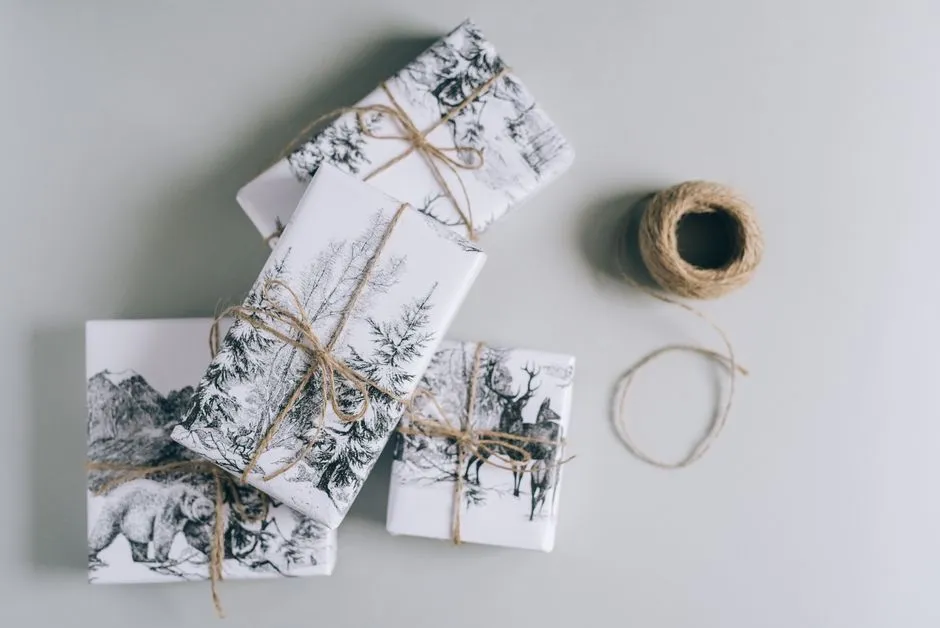
- Wrap like you mean it. Tissue, ribbon, a gift bag that isn't recycled from last year. At this price point, packaging is a third of the experience.
- Write the note. Two specific sentences about why this gift, for this person, beat any dollar amount you could add.
- Match the moment. A candle for a housewarming, socks in December, coffee for the new job. Context turns a nice object into a thoughtful one.
The under-$25 shelf rewards people who choose deliberately. Pick for the person, present it well, and nobody — including you — will be thinking about the price.